
“Have a blessed day” is more than a simple goodbye. It carries real hope and warmth for the person hearing it. These words wish someone peace, safety, and good things ahead.
Many people say this phrase without thinking about its deeper meaning. But behind it lies a wish for joy, protection, and grace. This article explores what “have a blessed day” truly means, and why it matters.
Why Words Like These Matter in Daily Life
- Small phrases can change how someone feels in a moment.
- Kind words show care without needing a big gesture.
- They remind people they are not alone.
- Simple greetings build warmth between strangers and friends.
- Words carry energy, even when we don’t notice it.
- A kind phrase can turn a bad day around.
- Daily language shapes daily mood.
- Good words are easy to give and easy to receive.
The Meaning Behind “Have a Blessed Day”
- This phrase wishes someone good things for their day ahead.
- It hopes for safety, peace, and happiness.
- Many people say it as a warm goodbye.
- It often carries a spiritual or faith-based feeling.
- Some use it simply as a kind habit.
- It can mean “I care about you” in a few words.
- The phrase works for both close friends and strangers.
- It leaves people with a small dose of hope.
The Real Meaning Behind Cinco de Mayo
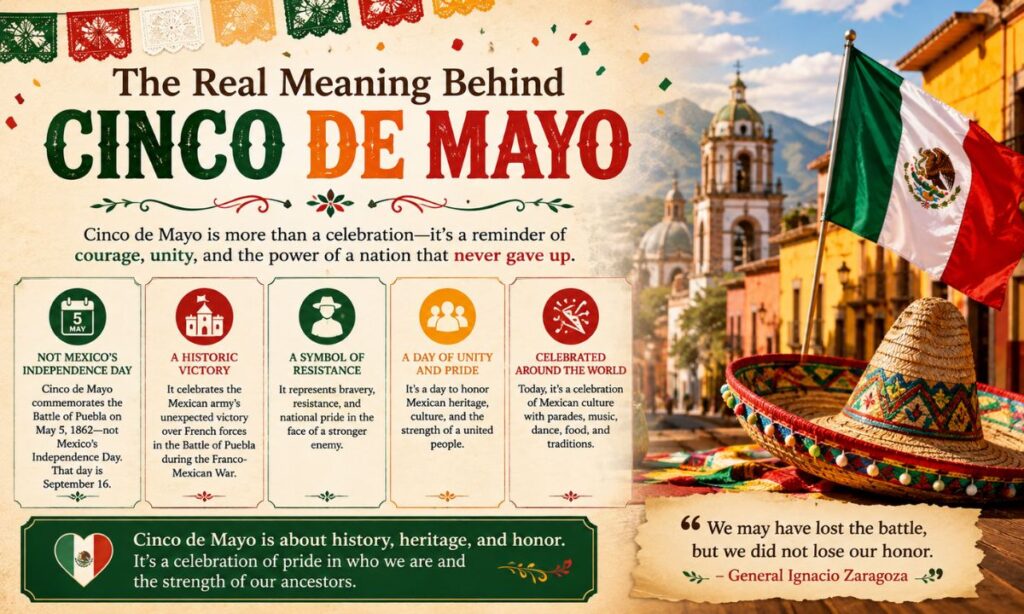
- Cinco de Mayo means “Fifth of May” in Spanish.
- It marks the Mexican army’s victory over France in 1862.
- The battle took place in Puebla, Mexico.
- It is not Mexico’s Independence Day, as many believe.
- Independence Day in Mexico is actually September 16.
- In the U.S., it became a day of Mexican culture and pride.
- People celebrate with food, music, and dance.
- Over time, it grew into a wider celebration of heritage.
The Difference Between “Blessed” and “Blessing”
- “Blessed” describes a feeling or state of being.
- It means someone feels lucky, grateful, or favored.
- “Blessing” is the act or gift itself.
- A blessing can be a prayer, wish, or good outcome.
- You can say, “I feel blessed” after receiving a blessing.
- One is an emotion. The other is an action or gift.
- Both words connect to gratitude and grace.
- Together, they show how giving and feeling good are linked.
What Saying It Reveals About You
- Saying “have a blessed day” shows warmth and kindness.
- It reflects a hopeful way of looking at life.
- It can show your faith or personal values.
- People who say it often care about others’ well-being.
- It shows patience and gentleness in speech.
- It reveals a habit of spreading positivity.
- Small words like this build a kind reputation.
- It shows you think beyond yourself.
The Real Meaning Behind Humpty Dumpty
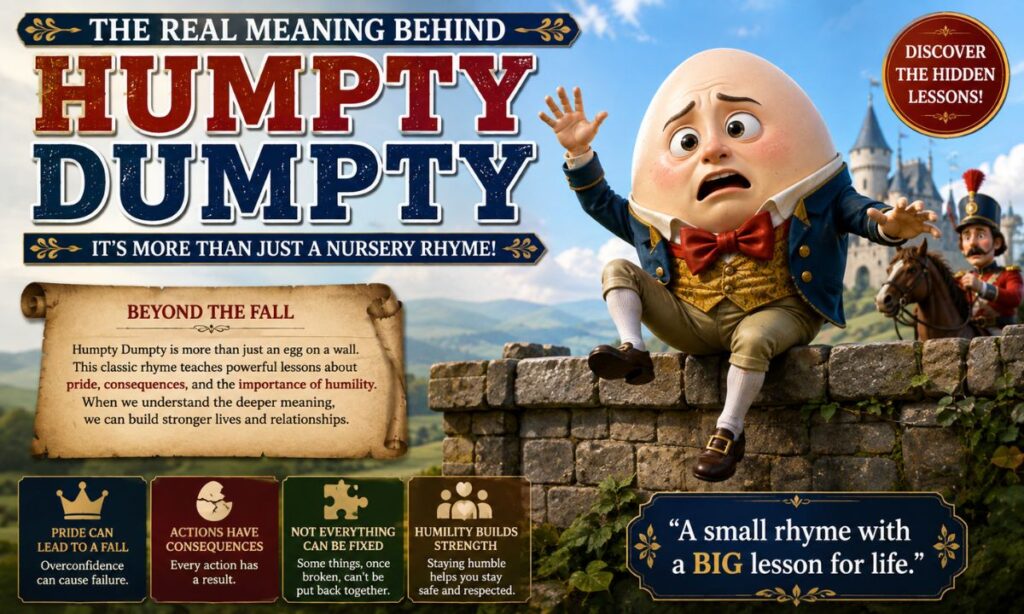
- Humpty Dumpty is a classic nursery rhyme character.
- He is often pictured as a large egg sitting on a wall.
- The rhyme tells how he falls and cannot be fixed.
- Some believe it began as a riddle, not a story about an egg.
- Over time, illustrations turned him into an egg character.
- Many read it as a lesson about things that cannot be undone.
- Others see it as pure nonsense verse for fun.
- Its true origin remains debated among historians.
Everyday Situations Where “Have a Blessed Day” Fits Naturally
- Saying goodbye to a friend or family member.
- Ending a phone call with someone you care about.
- Speaking to a cashier or service worker.
- Wishing someone well before a big event.
- Comforting someone going through a hard time.
- Ending a letter, email, or text message.
- Greeting neighbors in the morning.
- Closing out a church service or gathering.
Common Misunderstandings and Cultural Differences
- Some think the phrase is only religious.
- Others use it without any faith meaning at all.
- In some cultures, it may feel too formal.
- In others, it’s a normal daily greeting.
- Not everyone understands it the same way.
- Some may feel unsure how to respond to it.
- Tone and setting can change how it’s received.
- Understanding context helps avoid confusion.
How to Respond to “Have a Blessed Day”
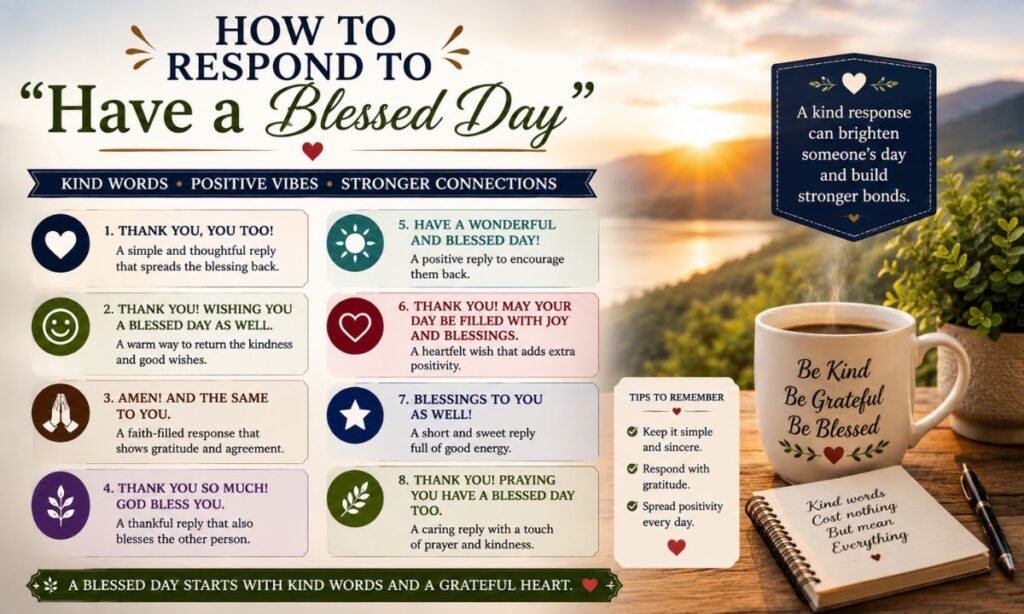
- You can simply say, “You too!”
- A smile and nod can be enough.
- Try saying, “Thank you, same to you.”
- You don’t need to share the same beliefs to reply kindly.
- A short “Thanks, take care” also works well.
- Responding warmly keeps the good feeling going.
- There’s no wrong way to answer kindly.
- The goal is simple: kindness returned.
The Real Meaning Behind Peter Pan
- Peter Pan is the boy who never grows up.
- He lives in a magical place called Neverland.
- The story was created by J.M. Barrie.
- Many see it as a tale about staying young at heart.
- Others view it as a story about avoiding responsibility.
- Wendy and the Darling children represent real-world growth.
- The story mixes adventure, fantasy, and deeper meaning.
- It remains a symbol of imagination and childhood wonder.
Why Spreading Blessings Still Matters Today
- The world can feel busy, stressful, and disconnected.
- A simple blessing can bring peace in small moments.
- Kind words cost nothing but mean a lot.
- They help build stronger, kinder communities.
- Blessings remind people they are cared for.
- In hard times, hope matters more than ever.
- Spreading kindness creates a ripple effect.
- Small words still have the power to change someone’s day.
Also read these blessings
Frequently Asked Questions?
What does “have a blessed day” really mean?
It means wishing someone peace, safety, and good things ahead. It’s a simple way to show you care.
Is “have a blessed day” a religious phrase?
It can be. Many people say it with faith in mind, but others use it just as a kind greeting.
Why do people say it instead of “have a nice day”?
It feels deeper and more heartfelt. It wishes someone more than just a good time.
How should I respond if someone says it to me?
A simple “you too” or “thank you” works well. You don’t need to share the same beliefs.
Is it okay to say this to strangers?
Yes, it’s a kind and polite phrase. Most people appreciate the warmth behind it.
Does saying it show something about my personality?
Yes, it often shows kindness, warmth, and a hopeful outlook on life.
Can I use this phrase in daily conversations?
Yes, it fits many moments, like goodbyes, messages, or comforting someone.


1 thought on “204+The Real Meaning Behind ‘Have a Blessed Day’: More Than Just Words”